
Who we serve
Two groups. One starting point.
CirBE works with business and industrial operators as well as governments and communities managing complex waste contexts.
Service groups
Choose the context closest to yours
The color system distinguishes commercial and industrial operations from public-service and community contexts while keeping one consistent assessment pathway.
Group 01
Business & Industries
- Livestock & processing facilities
- Fruit and food manufacturing
- Agriculture, aquaculture & fertilizer companies
- Manufacturing & industrial sites
Group 02
Government & Communities
- Municipalities and public-service operators
- Public parks and community facilities
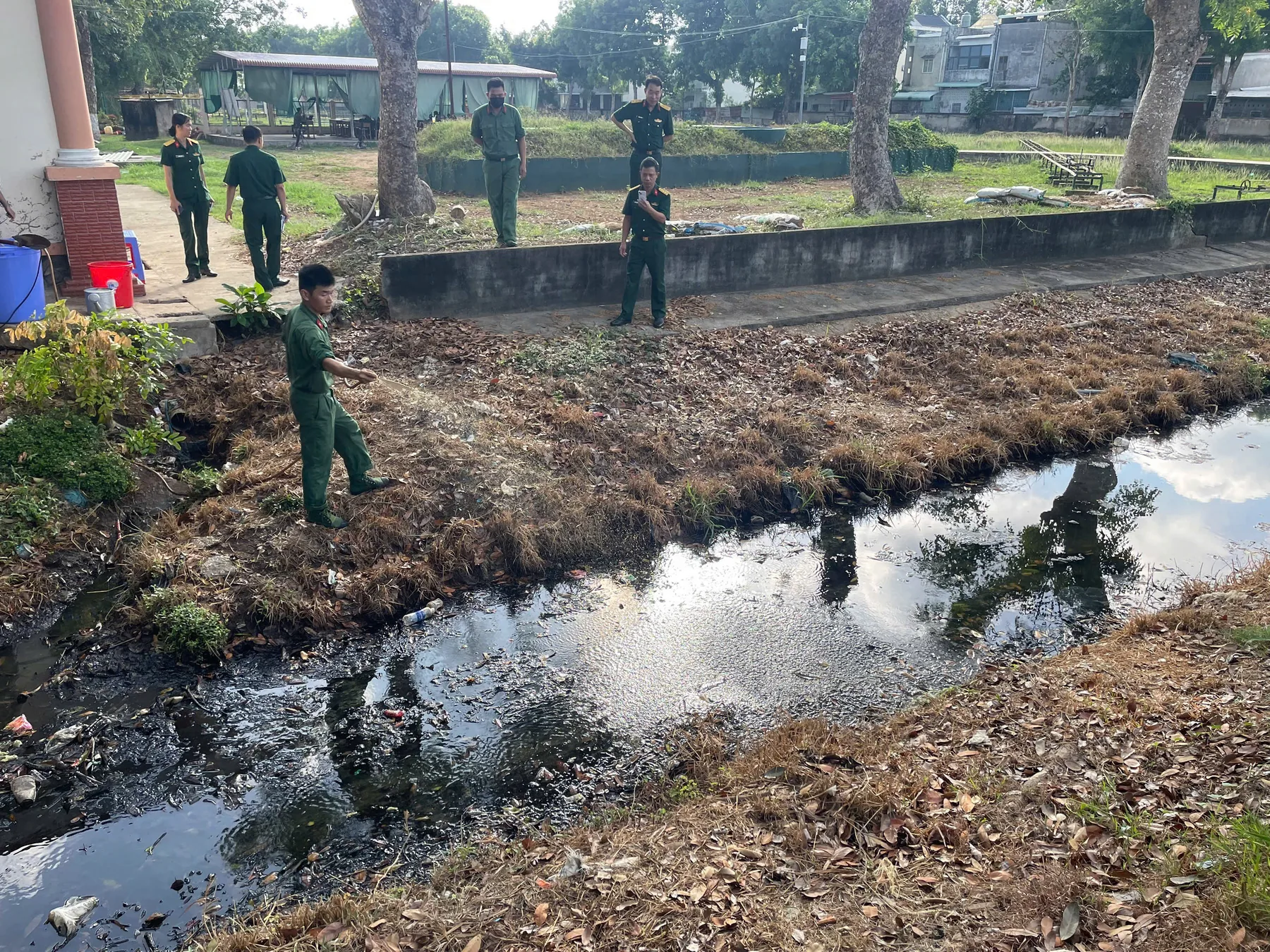
- Military areas and other public-sector sites
- Cities and landfill operators
Sector fit
All sectors, with clear biological limits.
Pilot documentation
One pathway, two leaf-processing routes
The supplied CirBE material documents stream review, microbial preparation, application, moisture and aeration care, optional machine processing, and output-condition review.
From leaf input to compost direction
An overview of the supplied process sequence and field handling.
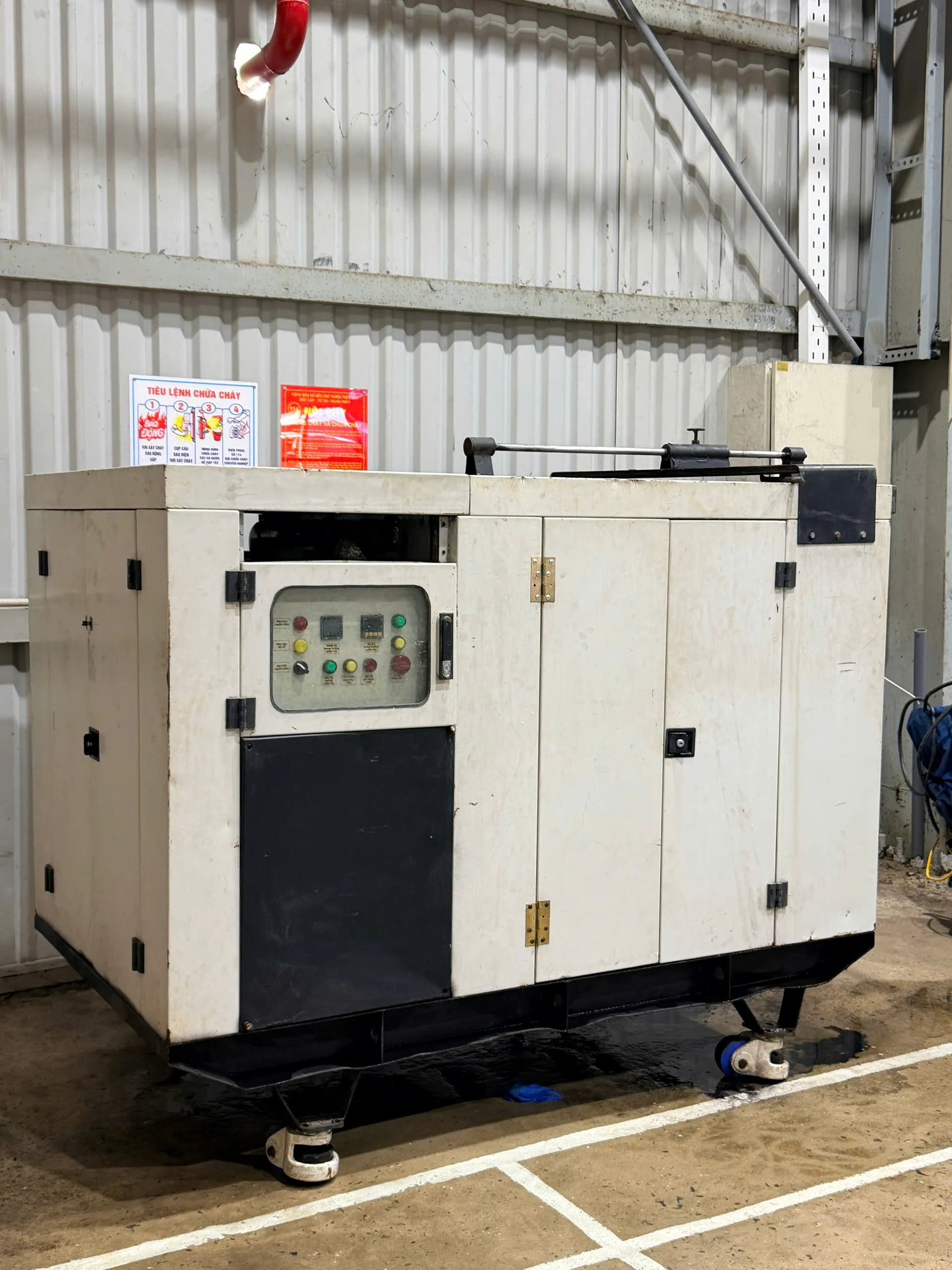
RTDT composting equipment
The supplied machine is used where the reviewed feedstock and operating plan call for continuous mechanical mixing.
Leaf composting
Without machinery or with continuous mixing
The no-machine route uses a covered aerobic pile, microbial preparation, moisture management and scheduled turning. The machine route combines leaves with suitable agricultural by-products under controlled mixing.
Covered aerobic leaf pile
The supplied process document specifies 50–60% moisture, supplemental microbial care after day three and turning every seven days.
Continuous machine mixing
Leaves are combined with suitable by-products and mixed mechanically according to the reviewed operating plan.
For the documented no-machine process, finished material is assessed by dark-brown color, friable texture, reduced leaf structure, moisture around 30–40% and temperature close to ambient.
Water hyacinth pilot
Supplied media and a documented 2023 test
The supplied report covers a 100% water-hyacinth sample processed at Saigon Xanh from 27 June to 10 July 2023. The results below describe that test sample only.
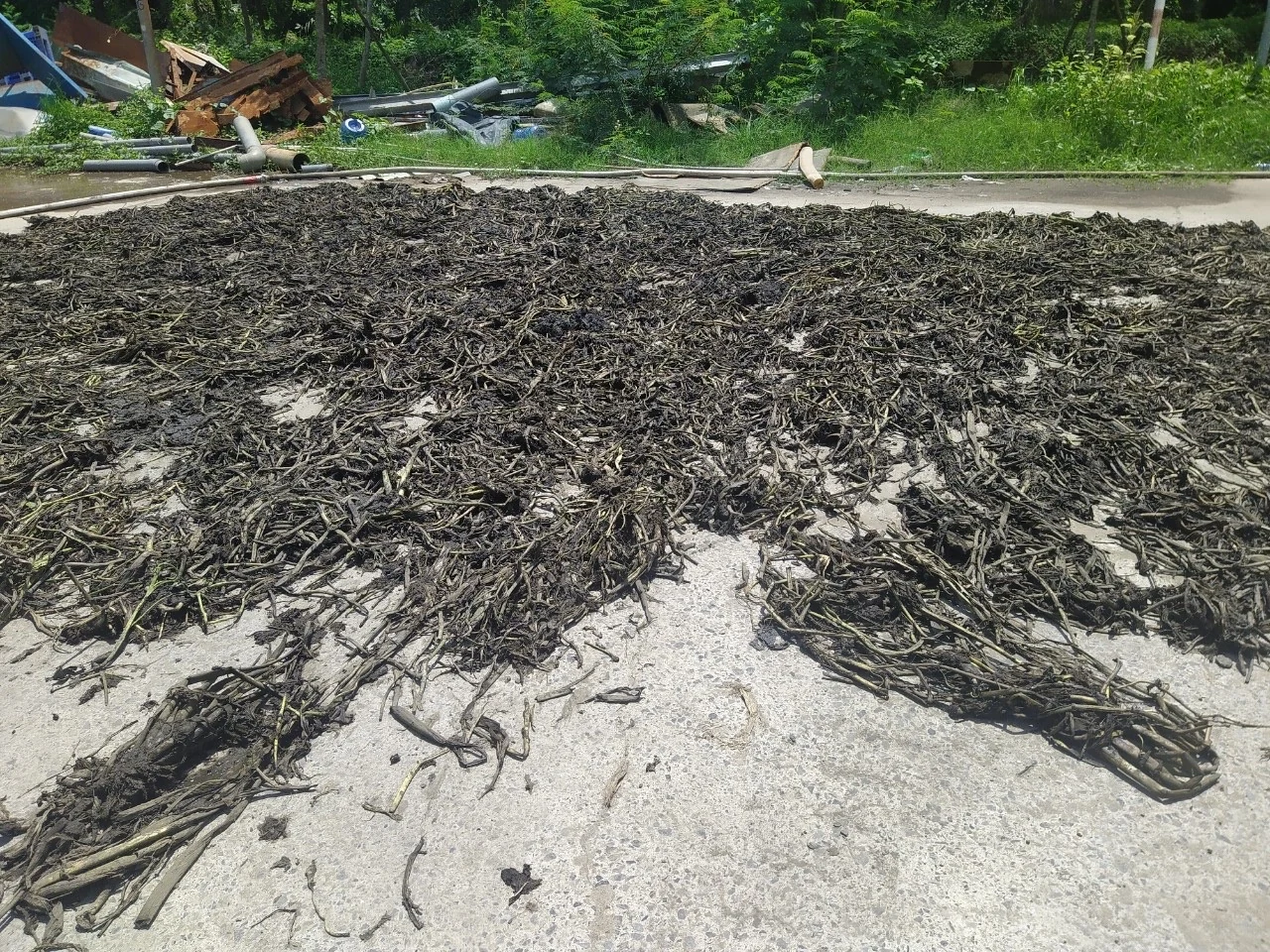
Water hyacinth input
Supplied field image of the source material used for the pilot pathway.
Machine mixing
Documented handling of the water-hyacinth material during composting.
100% water-hyacinth input in the documented sample.
reported processing time for the test run.
reported output collected after processing.
organic matter; reported moisture was 15.28%.
The supplied report states that moisture and organic matter met the referenced thresholds, while total nitrogen was low at 0.85%. It recommends adding nutrient-rich organic co-feedstocks for higher-quality organic microbial fertilizer. These figures are pilot evidence, not universal performance guarantees.
Our customers
Relationships published with approval
CirBE will add customer names, logos and project references after each organization approves public use.