Circular BioEnergy Joint Stock Company
Powering the Circular Economy through Waste.
CirBE is your trusted partner for solving complex waste challenges at low cost and at scale, with a special focus on overloaded and at-risk landfill contexts.
Circular impact
Our solutions support six SDGs
The connection is practical: cleaner water, resilient infrastructure, healthier communities, resource recovery, climate action and partnerships for implementation.
The pain
Waste is accumulating. Resources are being lost. Communities are paying the price.
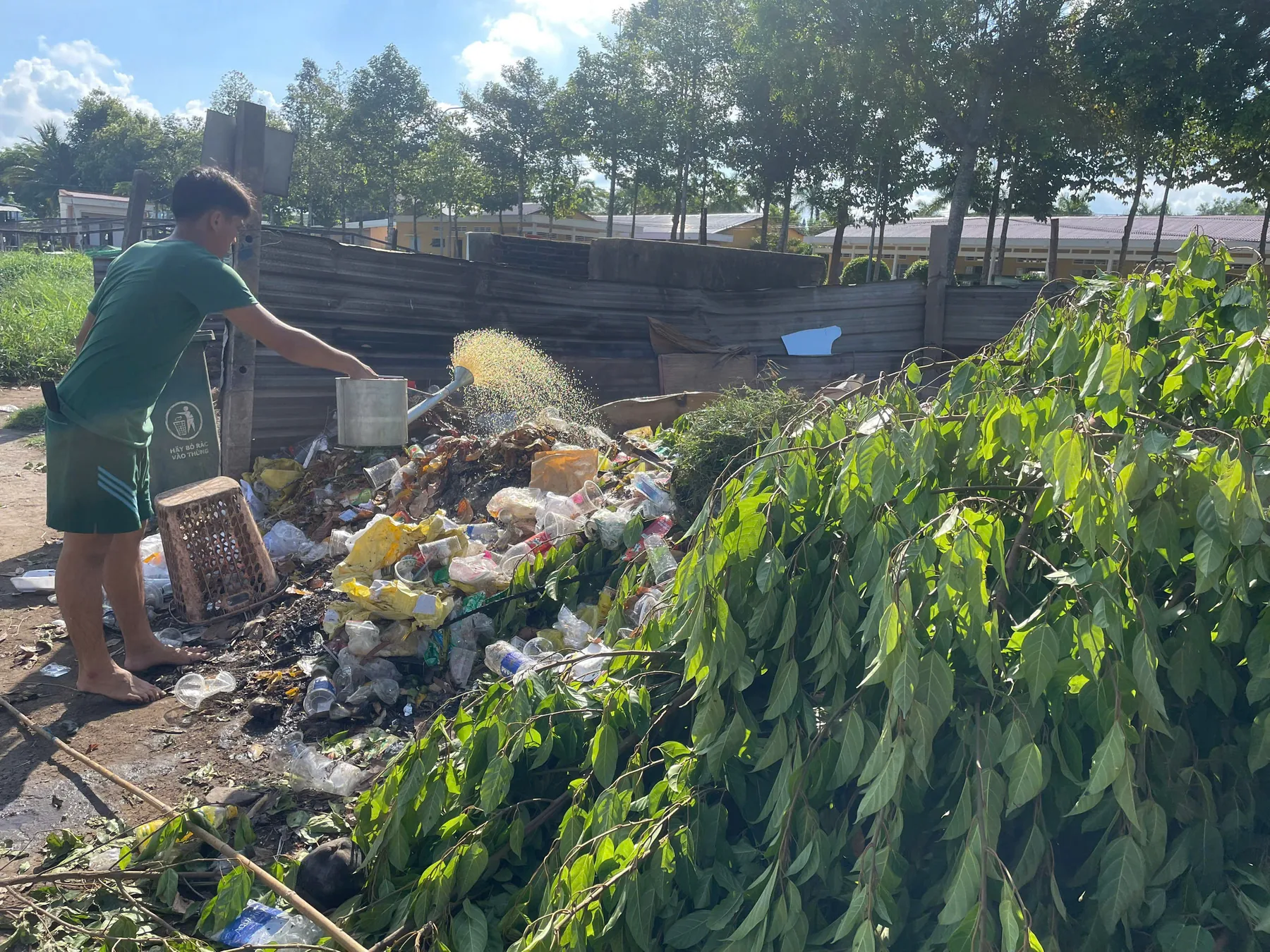
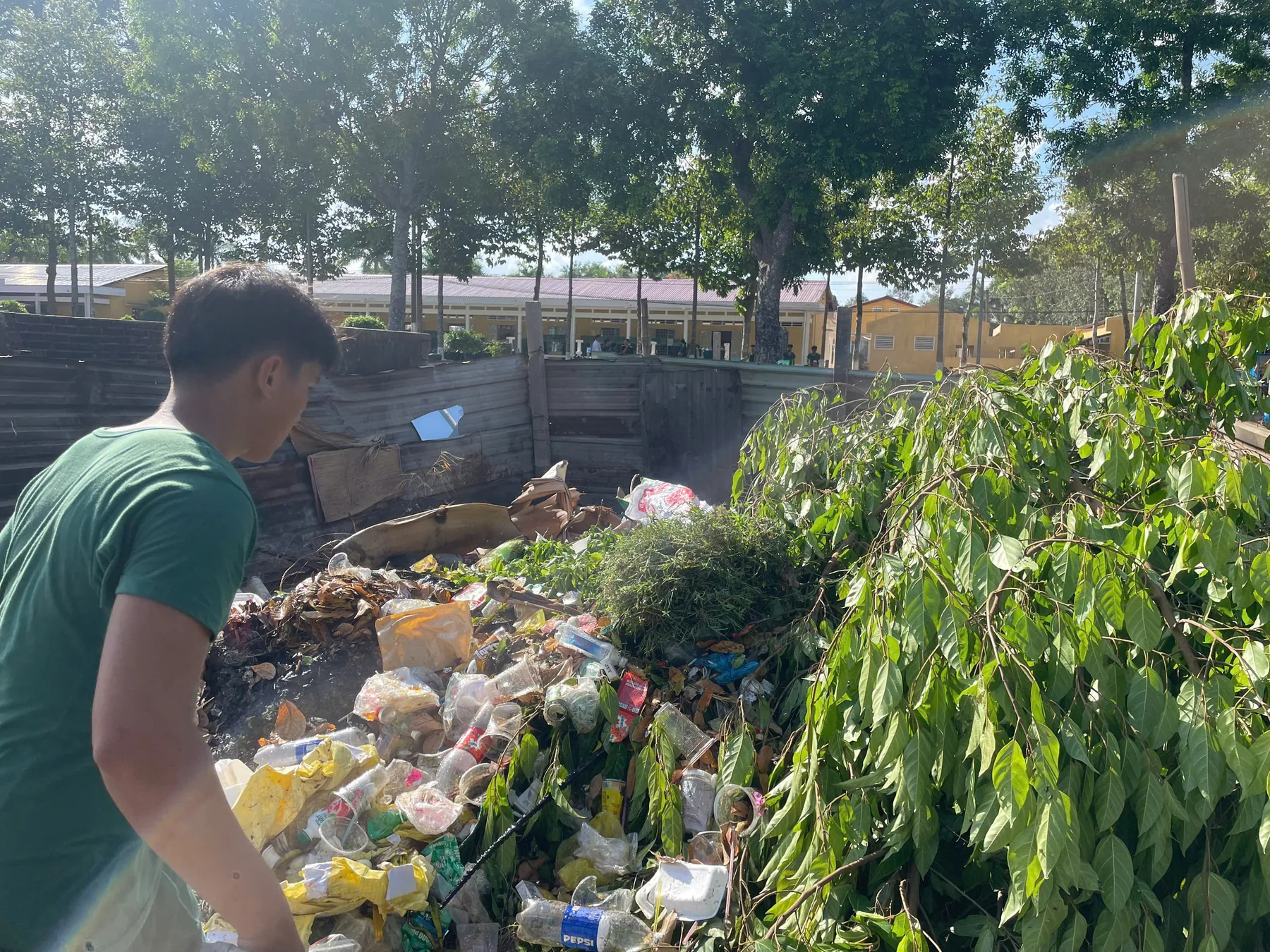
Vietnam’s waste challenge is visible across open dumping, organic decomposition and long-term landfill dependence.
of municipal waste still goes to landfill.
of household waste is organic.
of landfills are nearing capacity.
of tons of nutrients are lost each year.
Vietnam landfill pressure maps
Relative pressure by current boundaries
34-unit post-merger heatmap
Each colored shape is exactly one of the 34 current provinces and cities. Color represents the normalized Relative Pressure Index; this view removes bubbles so administrative boundaries remain clear.
Vietnam landfill pressure map
63 provinces and cities
Boundary source: geoBoundaries VNM ADM1 (Public Domain), consolidated into the 34-unit structure effective 1 July 2025.
Open the typed source table for all 63 former units
The gain
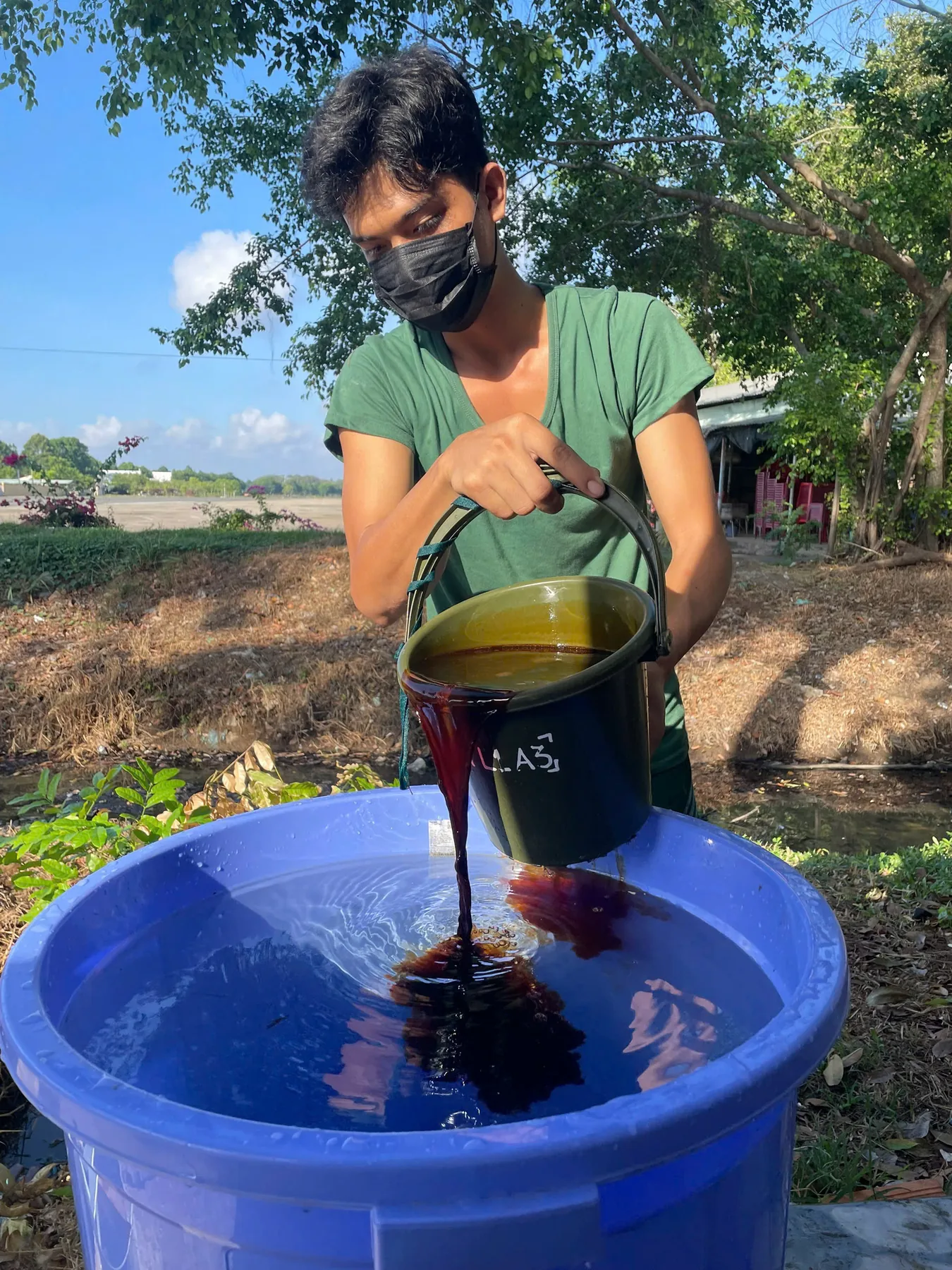
The magic coming from live microbiome and bio-bacteria generated from food waste
A biology-led system helps close the loop: characterize the stream, activate an appropriate microbiome, process where needed and route suitable outputs back into productive use.
What we do
Four pathways. One circular direction.
Solution fit, timing and output depend on the waste type, volume, site and operating requirements.
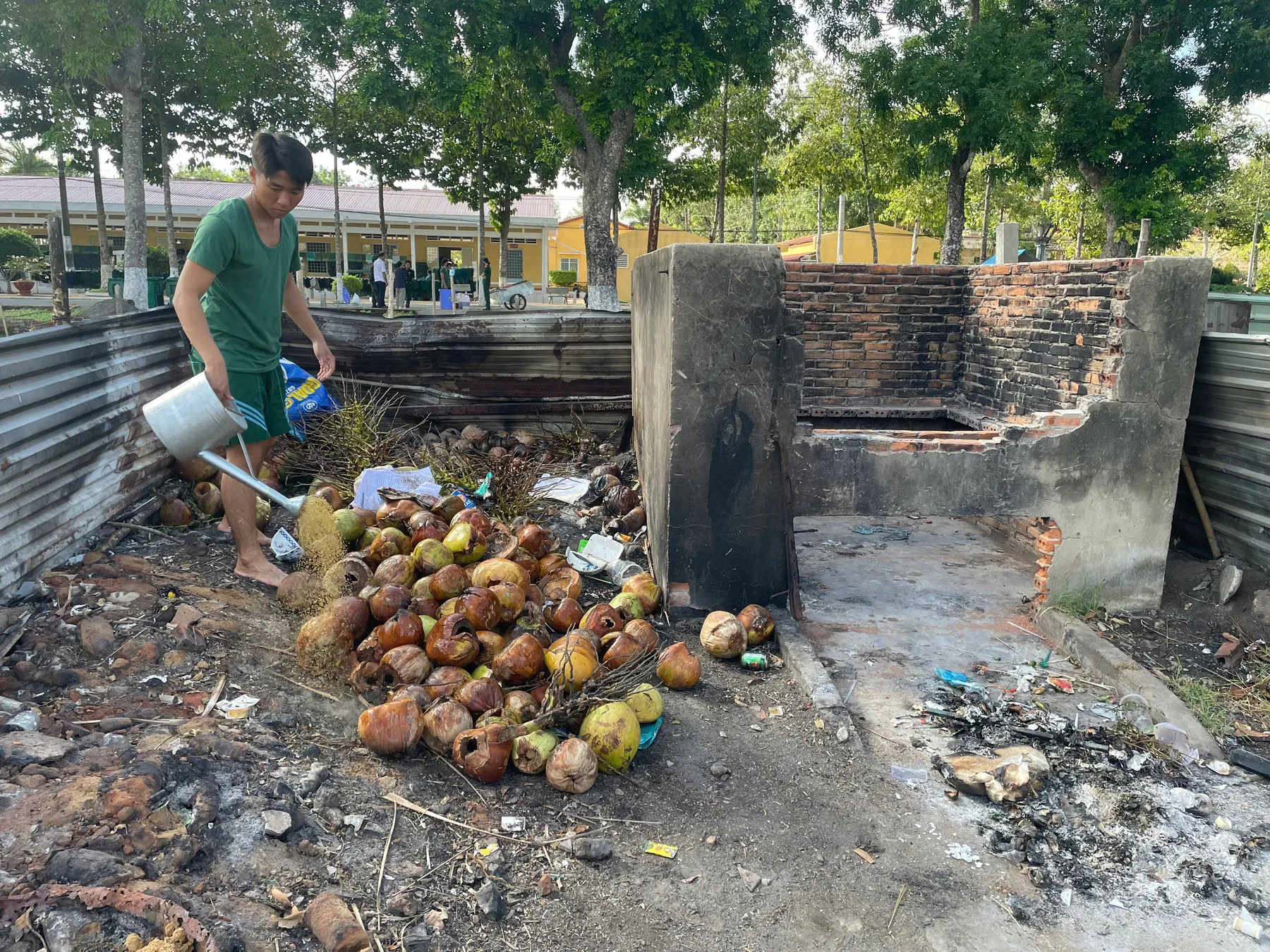
Cir. Bio Composting
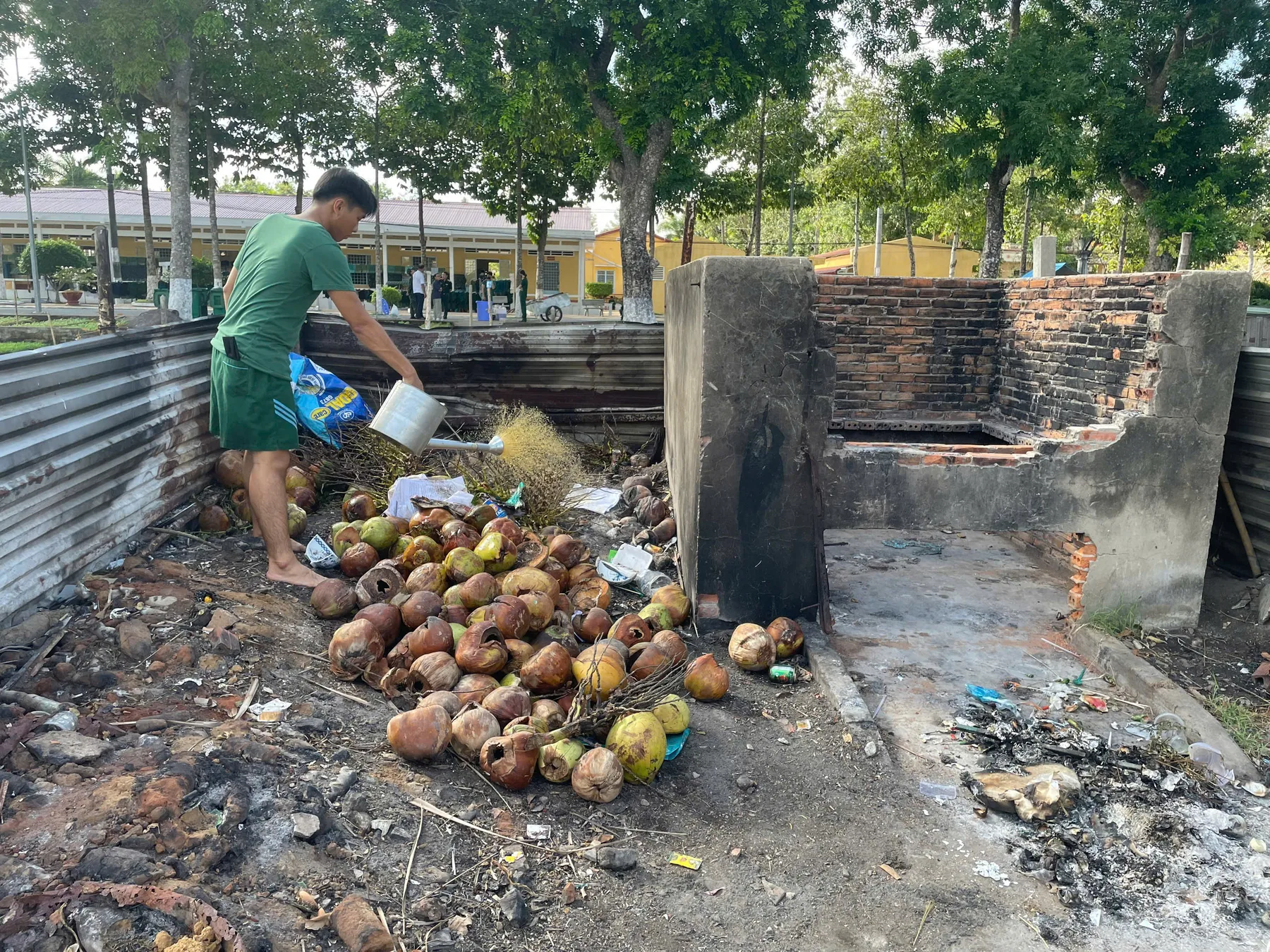
Documented dry-leaf composting process over 15-20 days, with microbial preparation, moisture care and scheduled turning.
Cir. Zero Waste
Assessment and routing for suitable recovery, reuse or treatment streams.
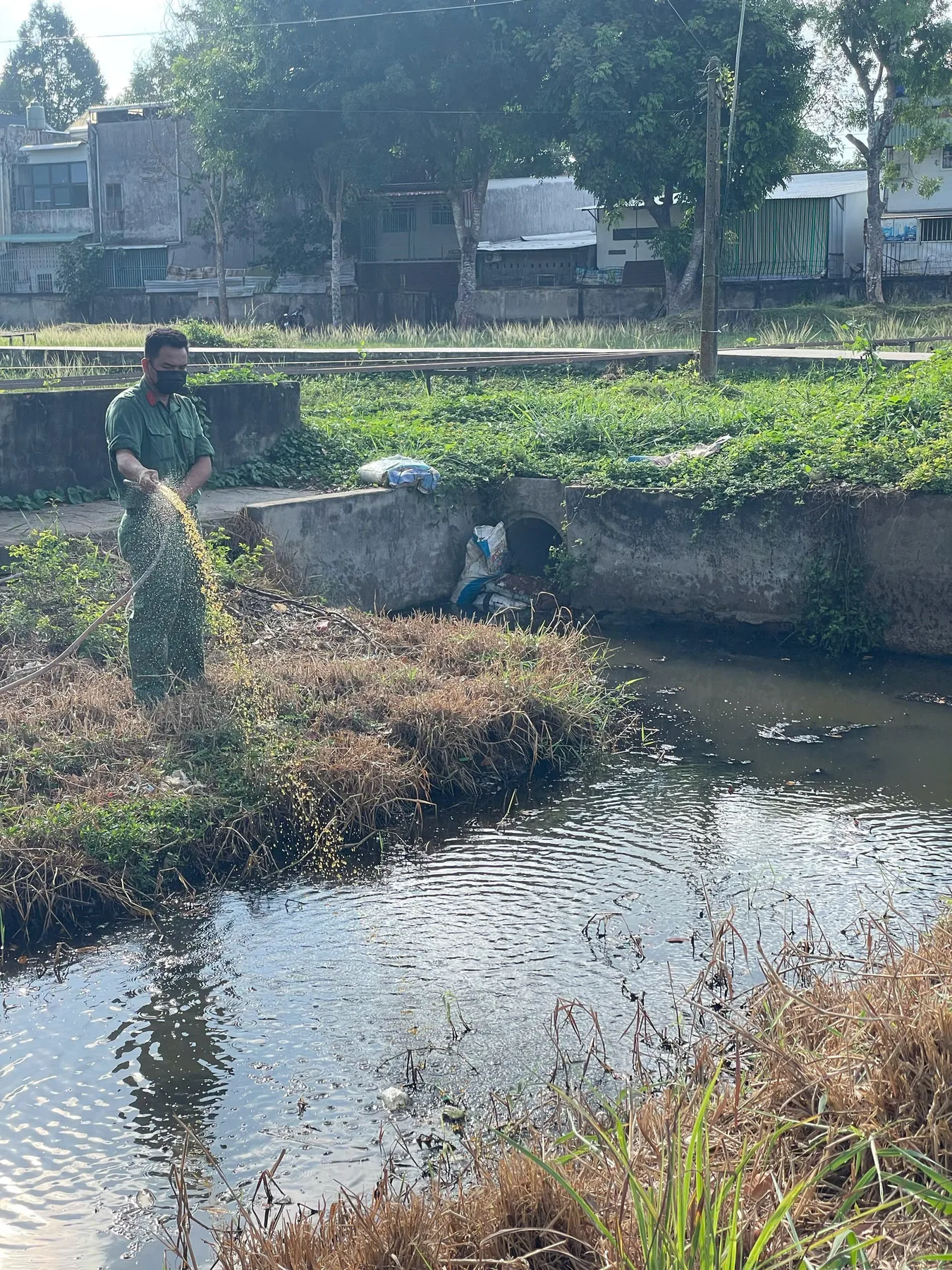
Cir. Drop Wastewater Solution
Site-reviewed biological support for wastewater and odor pressure.
Cir. Pellets
Evaluation of suitable non-recycled material for fuel-stream development.
Who we serve
Two groups. One starting point.
From industrial operators to cities and communities, every engagement begins with the waste stream and the operating challenge.
Group 01
Business & Industries
- Livestock & processing facilities
- Fruit and food manufacturing
- Agriculture, aquaculture & fertilizer companies
- Manufacturing & industrial sites
Group 02
Government & Communities
- Municipalities and public-service operators
- Public parks and community facilities
- Military areas and other public-sector sites
- Cities and landfill operators
Contact us
Let’s build the circular economy together
Email: technicalteam@bioforgevn.com
Address: HCMC, Vietnam