What we do
Biology-led waste pathways
CirBE combines localized bio-bacteria with end-to-end waste processing systems for organic, mixed, liquid and selected residual streams.
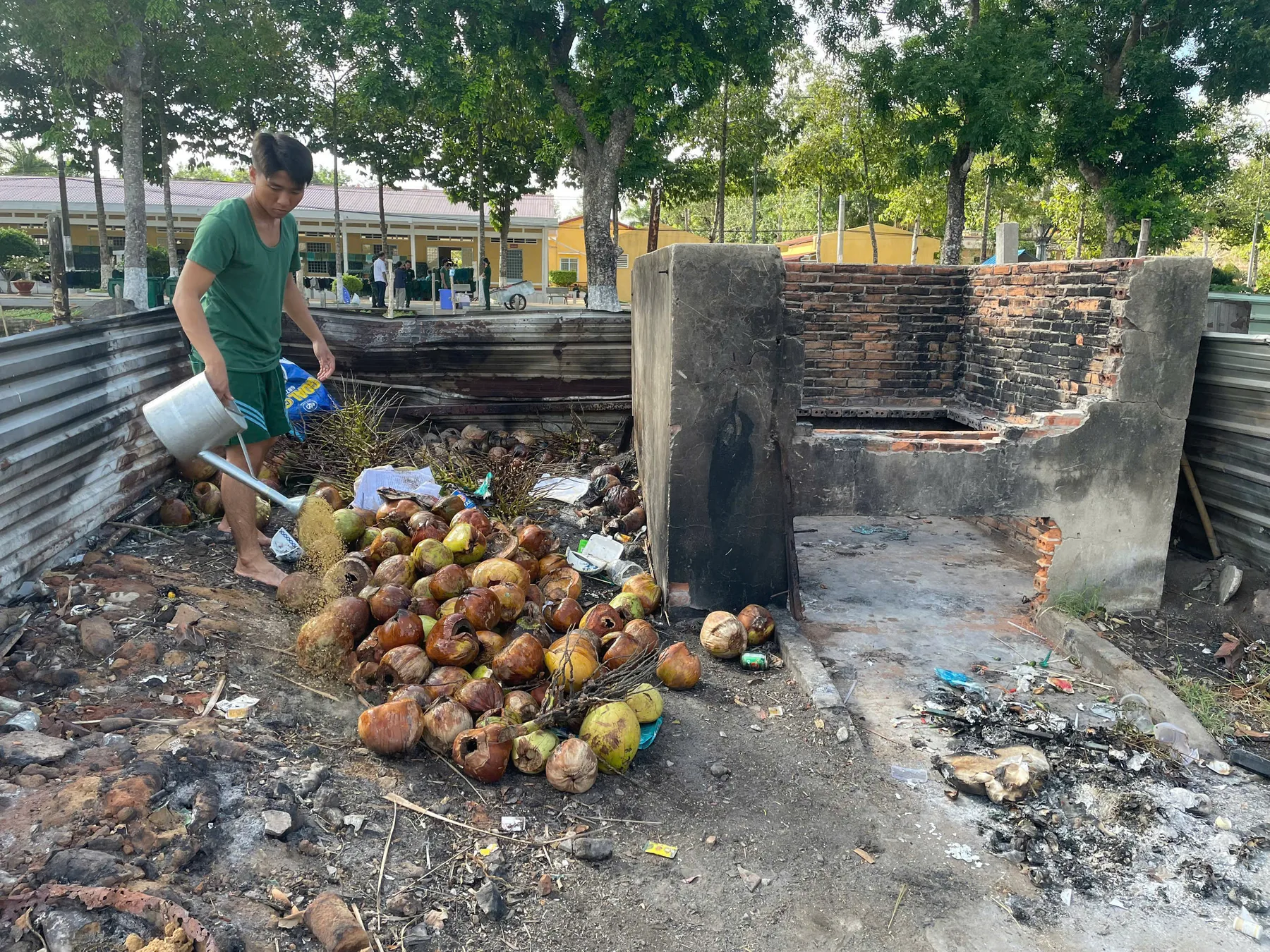
Cir. Bio Composting
Lab-approved, Made-in-Vietnam bio-bacteria are localized to the feedstock and operating context, supporting odor control, biological breakdown and a compost-oriented output pathway.
- Inoculation with a reviewed microbial preparation
- Microbial activation, moisture care and aeration
- Nutrient-rich compost pathway where suitable
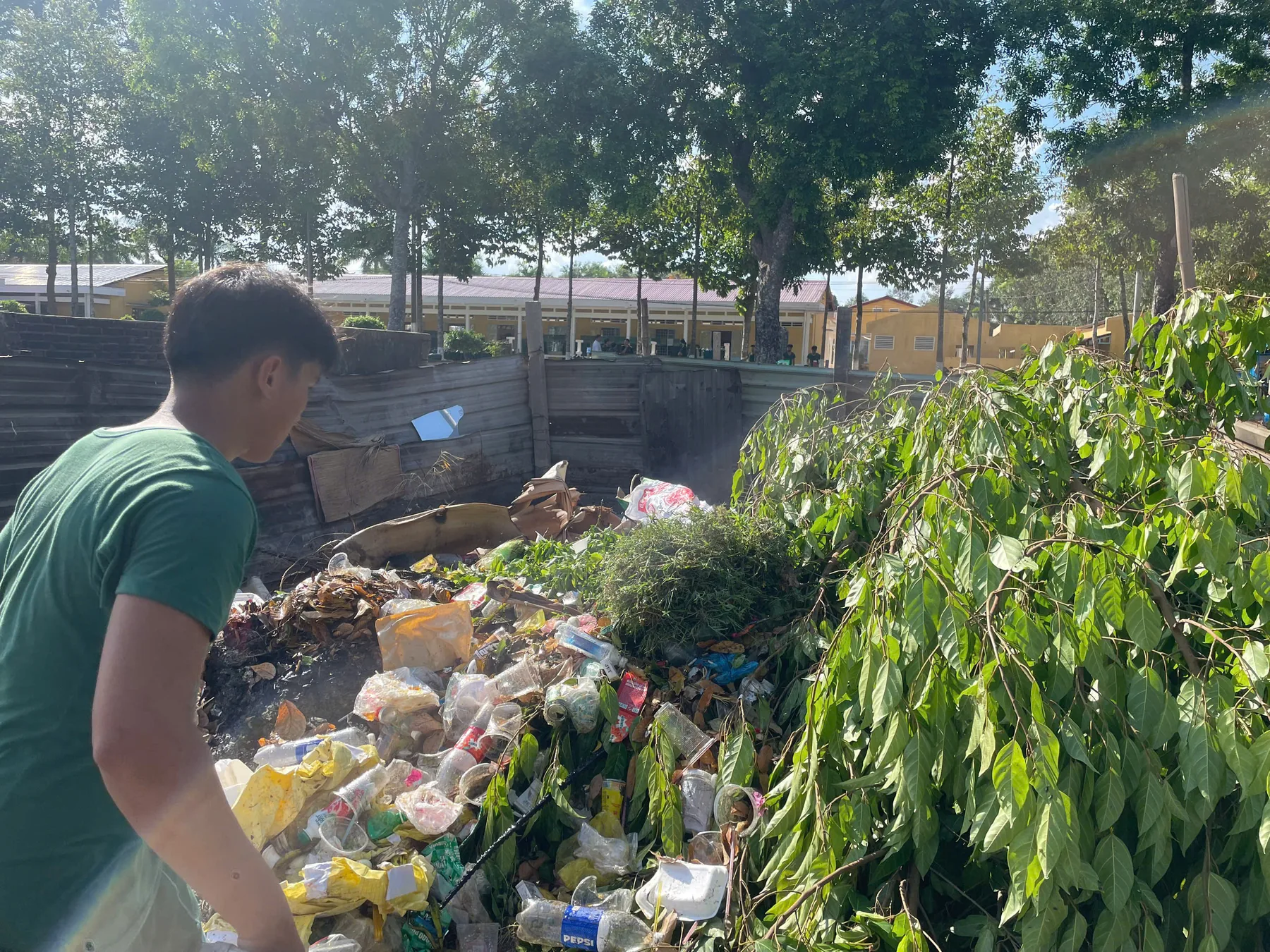
Cir. Zero Waste
CirBE moves suitable waste away from landfill and routes it toward recycling, reuse, biological treatment or renewable recovery.
- Stream characterization and assessment
- Recovery, reuse and treatment routes
- Verification records for the agreed project scope

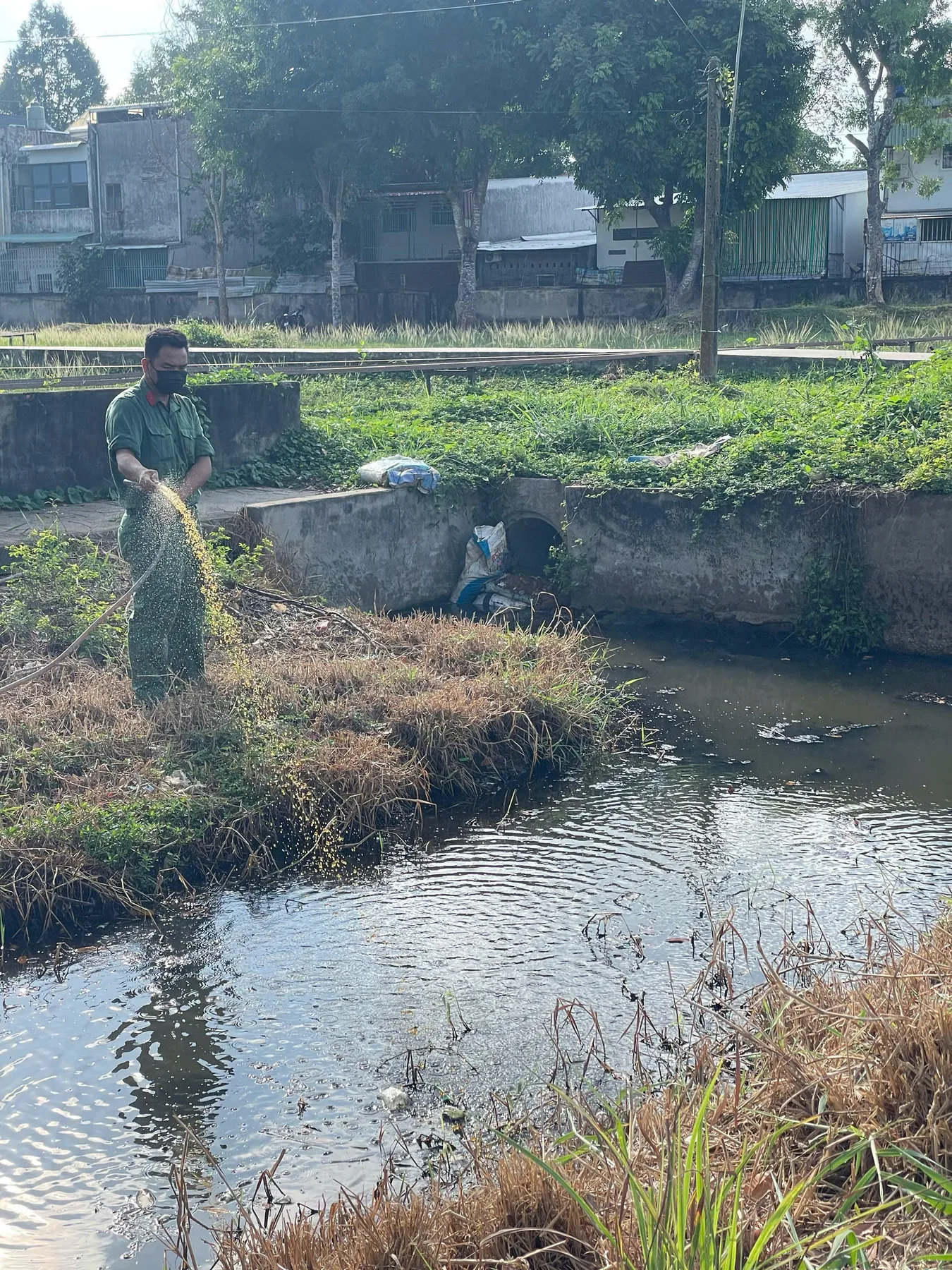
Cir. Drop Wastewater Solution
A chemical-free biological treatment direction for odor, water-quality and flow challenges, designed around the reviewed wastewater and site context.
- Site and water-condition assessment
- Application and monitoring plan
- Documentation and audit-ready reporting scope
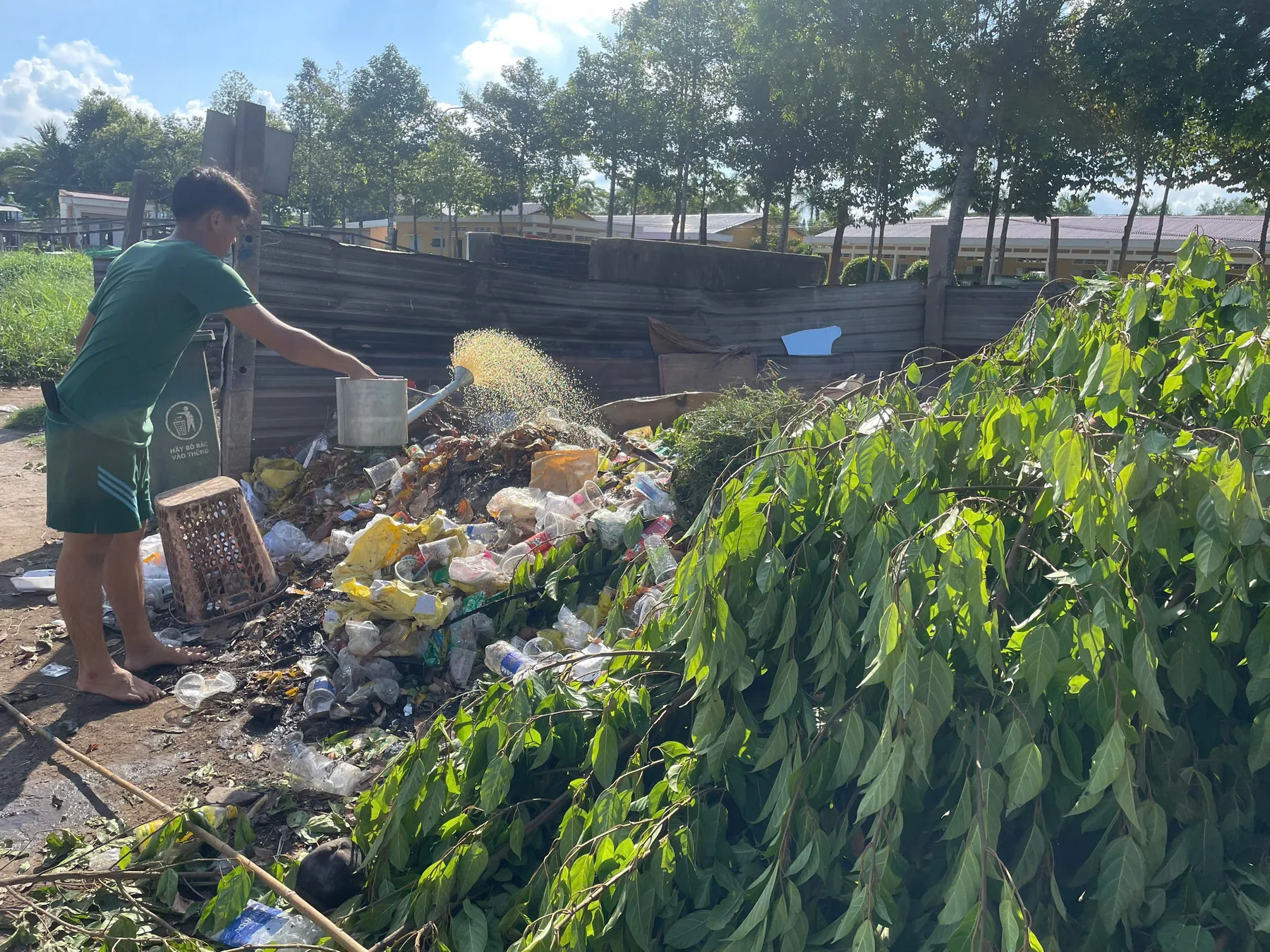
Cir. Pellets
Suitable non-recycled materials are evaluated for RDF, SRF, energy-pellet or biomass-pellet pathways that can reduce dependence on fossil fuels, suitable for cement kilns and industrial boilers’ inputs.
- Material screening and exclusions
- Sorting and conditioning direction
- Downstream fuel-stream matching
Composting field documentation
Equipment and organic material in the field
CirBE field photographs show the RTDT composting equipment and the condition of the leaf pile after seven days. The images document the process and do not establish final compost quality.
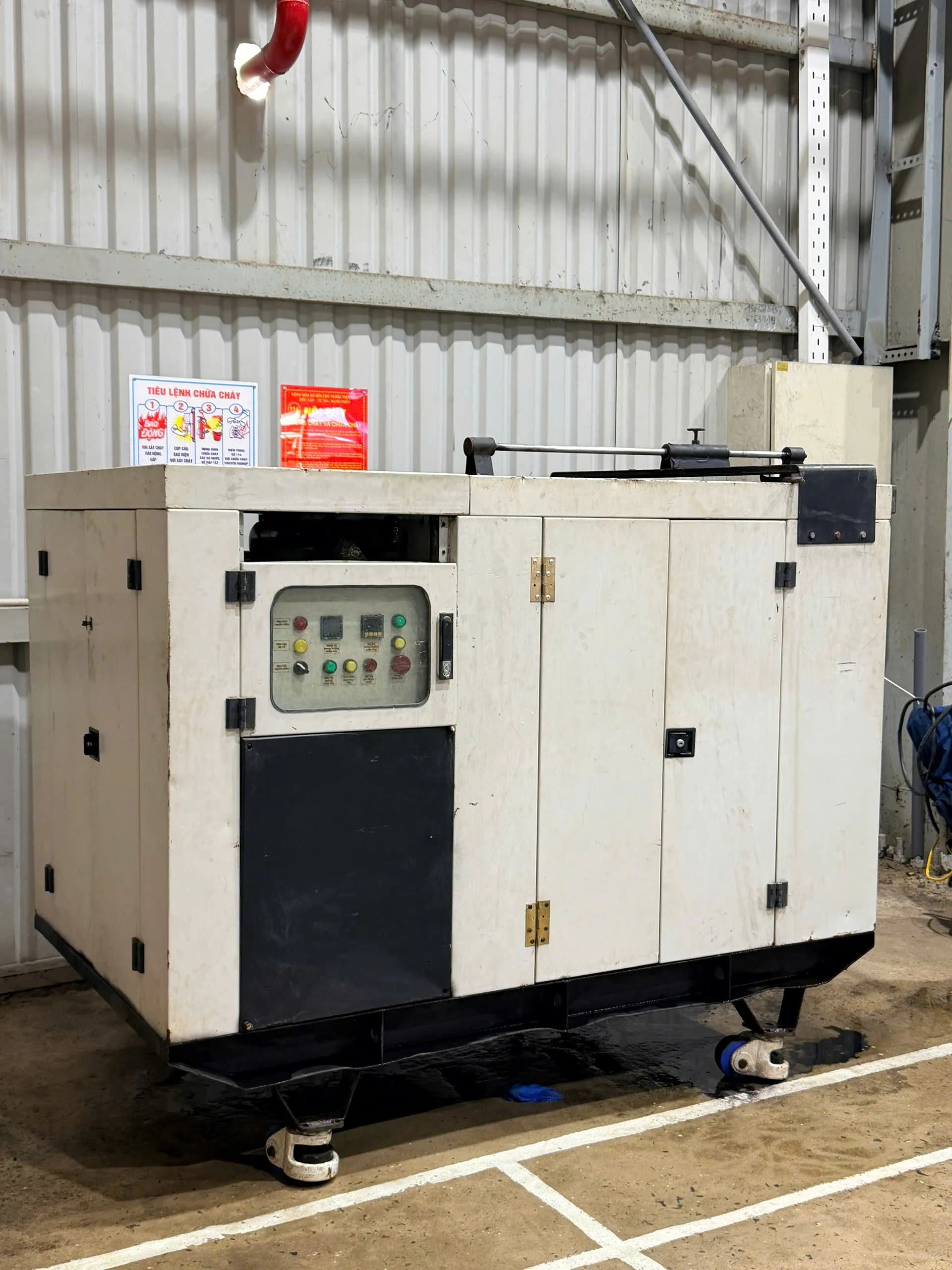
RTDT composting machine
On-site equipment used for the machine-assisted composting route.

Leaf pile condition
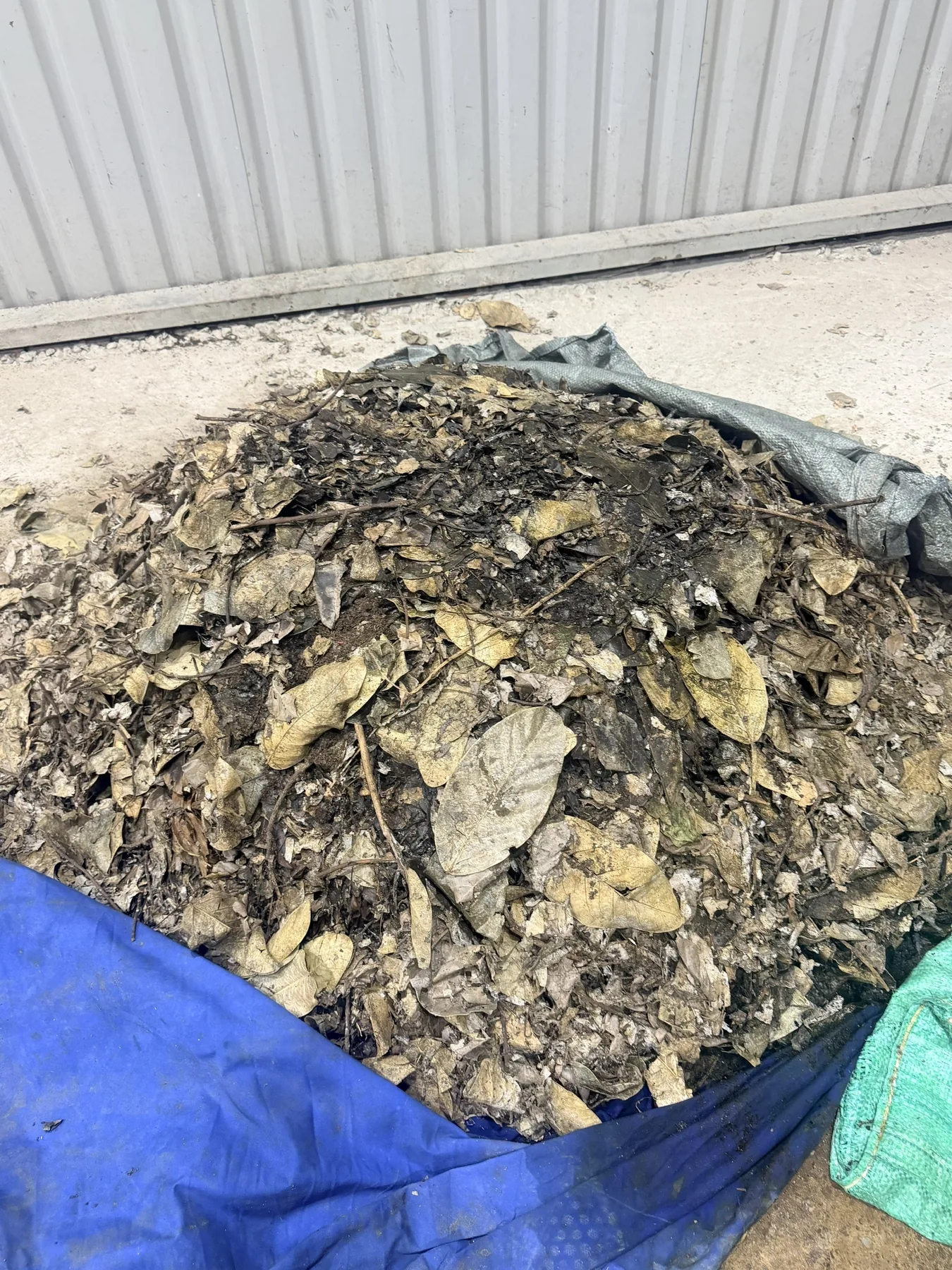
Organic material texture
Process timing, output quality and operating parameters depend on waste type, moisture, volume, site conditions and the reviewed treatment plan.
Why choose CirBE
Biology-led. Verifiable. Built for operations.
CirBE is a trusted partner for complex waste streams, combining localized bio-bacteria with end-to-end processing and project documentation.
Reduce unnecessary handling and machinery dependency where the reviewed biological pathway allows.
Design the treatment route around the site, waste volume and operating constraints.
Define documentation and verification requirements for each agreed project scope.
Prioritize overloaded and at-risk landfill contexts where diversion can create material impact.
Start with the stream
Find the right pathway
Share the waste type, source, volume, site and current method with the CirBE team.